What Rochester’s New School of Dentistry Could Mean for Future Health Professionals
The University of Rochester plans to establish the Eastman School of Dentistry, connecting dental education more closely with medicine, research, and patient care.
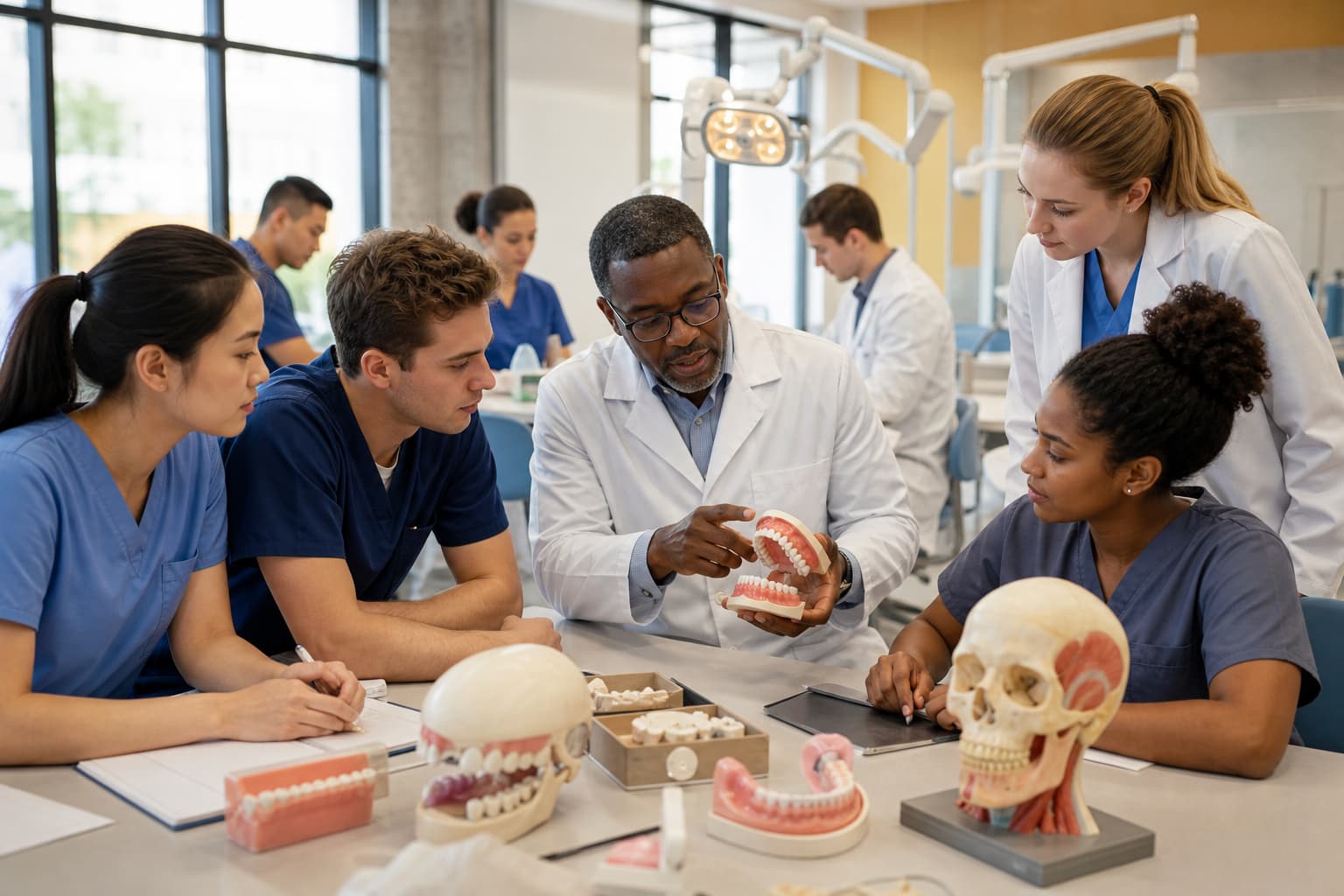
A new path into dental education
The University of Rochester plans to establish the Eastman School of Dentistry, its first new school in more than 50 years. According to the university, the school will build on more than a century of dental education, research, and clinical care associated with the Eastman Dental Dispensary and Eastman Institute for Oral Health.
The new school is expected to offer a Doctor of Dental Medicine program, pending approval from the Commission on Dental Accreditation and New York State. Its name and organizational structure are scheduled to take effect on January 1, 2027.
For students considering dentistry, this is more than a name change. It signals a stronger focus on preparing dentists to work as part of broader health care teams.
Dentistry is becoming more connected to overall health
The university describes the new school as part of University of Rochester Medicine, where dental education and research will operate within an academic medical environment. That structure reflects an important reality of modern care: oral health often intersects with a patient’s broader health needs.
The university points to several factors shaping dentistry, including an aging population and the increasing number of patients living with chronic disease, cancer, or other complex medical conditions. It also reports that many communities face barriers to dental care and shortages of dentists.
For families, this connection can make dental care easier to understand. A dentist may need to consider a patient’s medications, medical history, treatment plan, or ability to manage a long-term condition. Future dentists will need strong clinical knowledge, but they will also need to communicate clearly and collaborate with professionals in medicine, nursing, and other health sciences.
What students can learn from this development
Students interested in dentistry should pay attention to the range of skills emphasized by the university. The Eastman School of Dentistry is intended not only to educate practicing clinicians, but also to develop researchers, educators, and academic leaders.
That broader mission highlights several useful preparation areas:
- Science foundations: Biology, chemistry, and other science courses provide the academic base for dental study.
- Communication: Patients need explanations they can understand, especially when care is complicated or stressful.
- Collaboration: Health care increasingly depends on professionals working across specialties.
- Research and problem-solving: New approaches to prevention, diagnosis, and treatment depend on careful investigation.
- Service and empathy: Access to dental care remains a challenge for many communities, making patient-centered care especially important.
These skills matter long before a student applies to dental school. High school and college students can begin developing them through rigorous coursework, thoughtful study habits, community involvement, and opportunities to learn how science affects real people.
Why the academic setting matters
The proposed school will complement the Eastman Institute for Oral Health’s 10 postgraduate dental specialty programs, according to the university. It will also bring dental students and faculty into closer contact with researchers and health professionals across the university.
That kind of environment can help students see dentistry as both a clinical profession and a field of inquiry. A future dentist may provide direct patient care, participate in research, teach, or contribute to improvements in public health. Exposure to several paths can help students make informed decisions about their education and careers.
For teachers, tutors, and families, the announcement is a useful reminder that career preparation should include more than test performance. Students entering health professions will need to apply knowledge, communicate with patients, and adapt to changing needs.
A development to watch
The Eastman School of Dentistry is not yet fully operational as a DMD program; the university states that accreditation and state approval are still required. Those steps will determine how and when the program enrolls students.
Still, the planned school reflects the changing expectations of dental care. Strong preparation will involve scientific understanding, practical reasoning, teamwork, and a clear commitment to patient well-being. For students exploring health careers, Rochester’s announcement offers a timely example of how education is evolving alongside the needs of patients and communities.