Why Early STEM Experiences Matter in Appalachia
A West Virginia doctoral study is examining how elementary teachers approach STEM education in Appalachia—and what may help more students engage with math and science earlier.
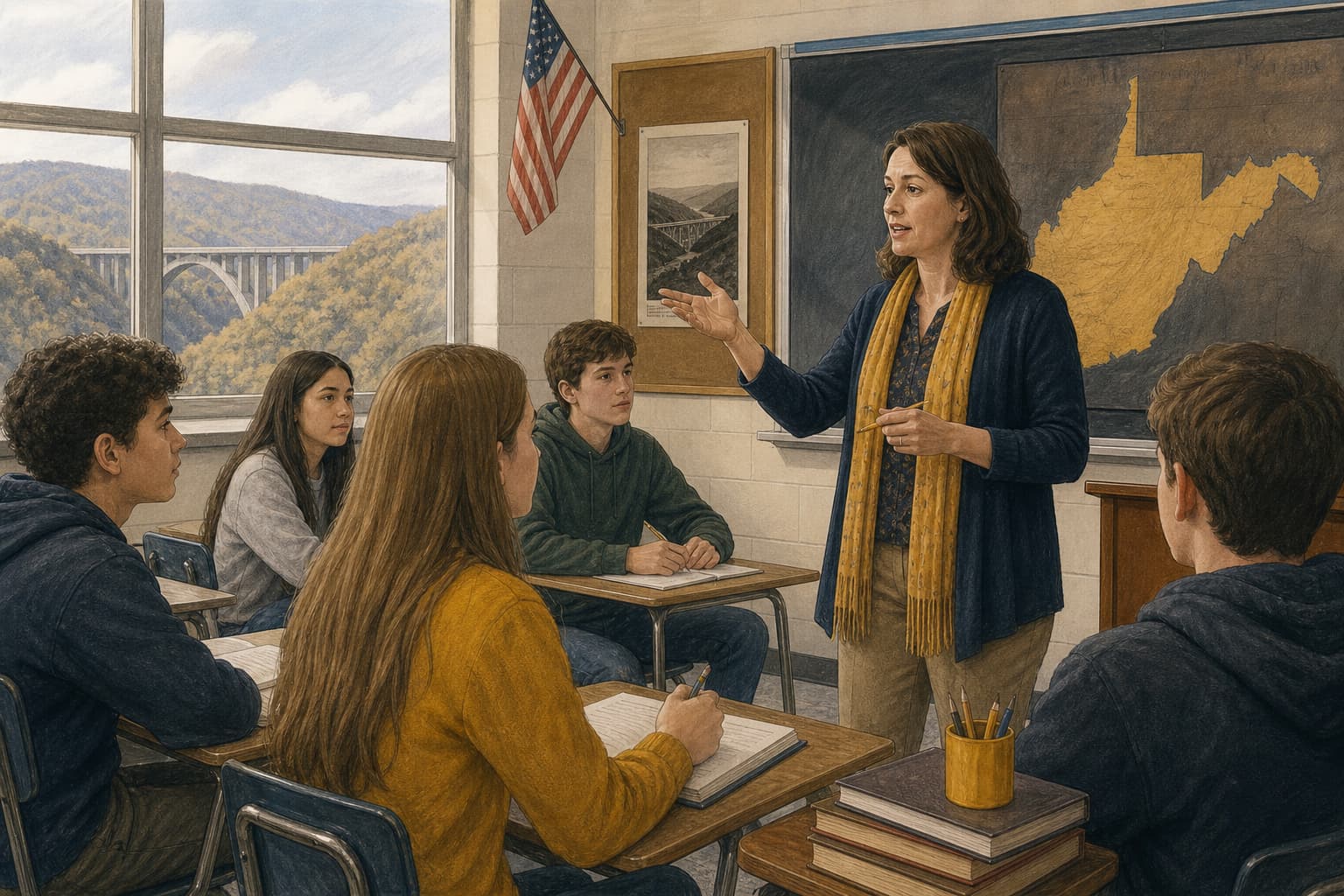
A closer look at elementary STEM education
A doctoral research study in West Virginia is gathering information about how Appalachian elementary teachers use science, technology, engineering and mathematics in their classrooms. The study also examines how educators view STEM and what may help students become more engaged.
The Dominion Post reports that Susie Huggins, an administrative assistant with WVU’s School of Education Education & Counseling, is conducting the study as part of her doctorate in curriculum and instruction. Her online survey is intended for elementary teachers who are at least 18 years old.
The survey takes approximately 10 to 15 minutes. Participation is voluntary, and responses are anonymous. Huggins reported that 37 people had responded so far, with the survey remaining open until at least 50 responses are collected.
Why the elementary years matter
Huggins’s research grows out of her experience in nonprofit and after-school programs, where she observed limited enthusiasm for STEM in some elementary settings. She is especially interested in whether teachers’ own experiences and comfort with STEM influence how often and how confidently they use it in class.
That is an important question for families and educators. Students do not need to choose a STEM career to benefit from early experiences with math, science, problem-solving and design. These subjects can become more approachable when children have regular opportunities to ask questions, test ideas and connect classroom learning to the world around them.
The study also reflects a challenge Huggins experienced in her own education. She described having more opportunities in later grades, including strong math and science teachers, but fewer chances to explore these subjects when she was younger. Her goal is to understand whether earlier exposure could help more students feel interested and capable in STEM.
Building on what schools already do
According to the article, STEM opportunities appear to be more common in Appalachian middle and high schools through robotics and after-school programs. Those programs can be valuable, but waiting until later grades may mean that some students have already decided that math or science is not for them.
Elementary teachers often have the greatest opportunity to shape those early impressions. A student who sees math as something to explore, rather than only a set of problems to complete, may be more willing to persist when the work becomes difficult. Teachers also need practical support, preparation and resources to make STEM a regular part of elementary learning.
Huggins hopes the survey will help address the limited background information available about early math and science education in Appalachia. A clearer picture of current practices and teacher perspectives could help researchers and education leaders consider how to promote stronger engagement over time.
For families, the takeaway is simple: early STEM exposure does not have to mean expensive equipment or elaborate programs. Encouraging children to explain their thinking, measure objects, notice patterns and investigate everyday questions can reinforce the same curiosity schools want to develop. Research that listens to elementary educators may help identify which kinds of support make those experiences more consistent for students across the region.